Decisions, lessons, corrections, and outcomes enter through governed doors, with provenance attached at the moment of capture. The record is a byproduct of the work, not a chore on top of it.

remember · living memory
remember is Lexenne's living-memory layer for people and AI agents: what your team learns while working stays learned, with the evidence to prove it. The decisions, the corrections, the hard-won context about how your business actually works: that is the loop, and remember is built so your organization owns it rather than the model vendor. Local by default, so the corpus never leaves. Signed receipts, so every answer can show where it came from. Open formats, so it can be lifted and run elsewhere.
What it is
Agents are brilliant and amnesiac. Every session starts from zero, re-learning what the last one already knew, and the people alongside them re-answer the same questions for the same reason. remember is the layer that holds on. It runs as a loop of five beats, and the fifth one feeds the first.
Decisions, lessons, corrections, and outcomes enter through governed doors, with provenance attached at the moment of capture. The record is a byproduct of the work, not a chore on top of it.
A librarian process consolidates duplicates, resolves contradictions, supersedes corrected claims, and cools stale material. Every change is receipted, and nothing is silently deleted.
An answer names its sources, its validity, and its authority. When the record cannot support a definitive answer, remember says so, and gives the reason. (Search and graph traversal are stages inside the answer compiler, not the product.)
What was surfaced, what was used, and what came of it is recorded, so the corpus learns from its own use rather than from a survey nobody fills in.
An accepted correction is designed to change every later answer, and the history stays auditable. The claim it replaced is still there, marked as superseded and dated.
Correct feeds Capture. The loop closes, which is why it compounds.
SLF (Substrate, Lens, Frame) is the interface every read and write goes through. It renders the slice of memory a reader is entitled to, and it emits a receipt for what it disclosed. That is why the audit story below is a property of the architecture rather than a report bolted on beside it.
render(substrate, lens, frame) → receipt The SLF design →Receipts and legible deletion
remember is built so that every disclosure and every durable write carries a signed receipt: who asked, under what authority, what was shown, and what was withheld. Deletion is legible on the same terms. Removing knowledge leaves a tombstone recording what was removed, when, and why, even when the content itself has to be erased.
Who asked, under which lens, and what came back. The answer and the record of the answer are produced together.
What the lens excluded is recorded alongside what it disclosed. An access decision you cannot see is one you cannot audit.
Consolidations, supersessions, and accepted corrections are entries in the record, not silent edits to it.
A tombstone survives the content: what was removed, when, and why. The content can be erased while the fact of its removal stays on the record.
An auditor can export the trail and check it independently, rather than taking our word for it.
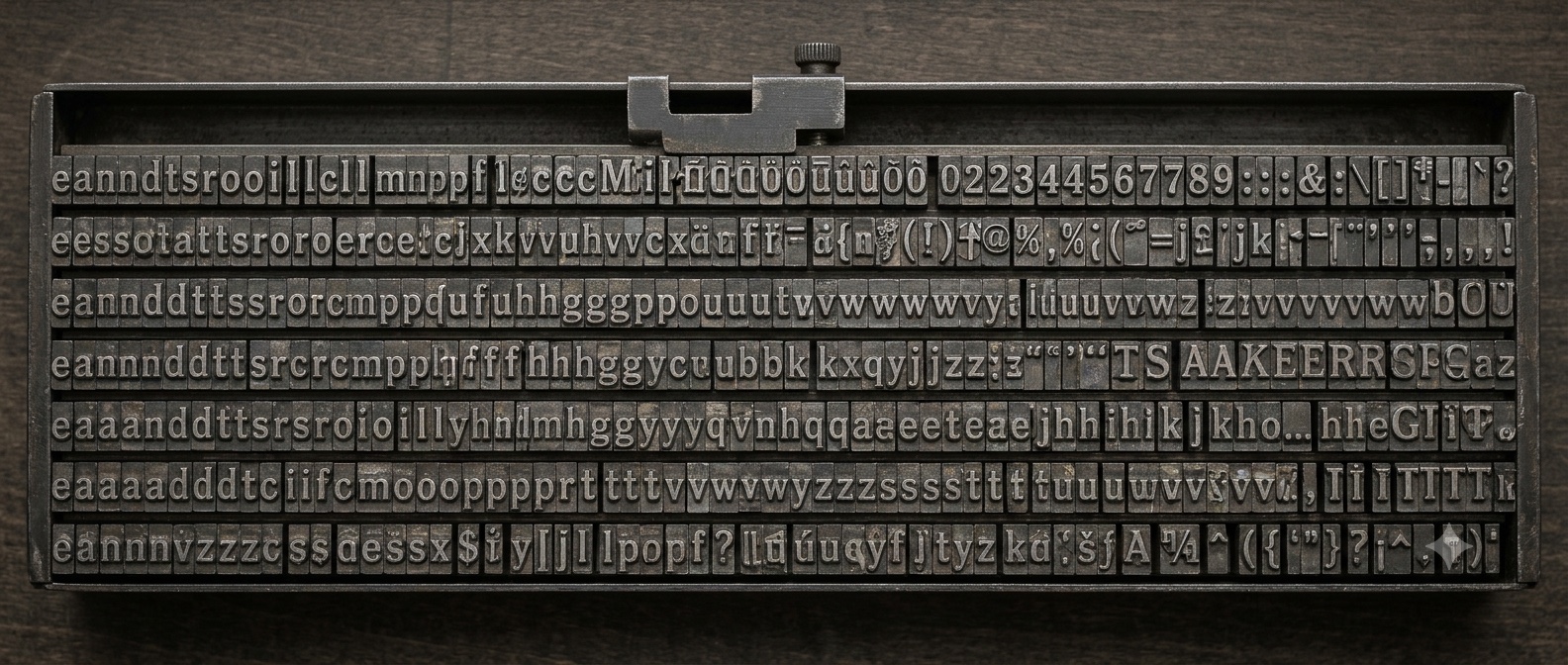 Kept, not lost
The commitments
Memory that you cannot trust is worse than none. remember is built on four commitments that keep the record worth reading, and a fifth to the people who fill it.
Commitment 01
Durable by default
Knowledge persists across context limits, sessions, and handoffs. Agents do not start cold, and nothing learned is lost when a window closes.
Commitment 02
Scoped to the reader
Retrieval is filtered by lens and role, so a reader gets the slice they are entitled to. Memory that floods the context is as useless as no memory at all.
Commitment 03
Curated over time
The hard part of memory is deciding what to keep, not just what to add. remember consolidates duplicates, supersedes outdated facts with corrections, and reinforces what has proven valuable. Aged knowledge cools rather than vanishes: deletion is reserved for what is actually wrong, not for what has gone quiet.
Commitment 04
Provenance, always
Every piece of knowledge carries where it came from and when. You can trace a belief back to the decision that set it, and revise it when the world changes.
Commitment 05, to the contributor: remember is built so that the person contributing knowledge benefits first, and so that nothing leaves an individual's draft space without their explicit say.
Sovereignty and portability
Owning the loop is only real if the knowledge can leave. Human-readable artifacts (decisions, runbooks, notes) live as plain files in your own git. The full corpus imports and exports through the Open Knowledge Format (OKF, Google Cloud's open interchange format for organizational knowledge, 2026), so your knowledge survives a change of model, vendor, or cloud. Underneath, an append-only event ledger keeps the history and the receipts. remember installs locally by default, so the corpus never leaves your network, and in a local installation your data trains no one's models. SLF and OKF answer the same question from two sides: OKF says what your knowledge looks like at rest, SLF says what happens every time something reads it.
Read the full position: why the loop your agents run on is the value that can't be hollowed out, and how create, remember, and SLF keep it yours.
Own the loop →The pair
remember stands on its own, behind any agent system. It is also one half of a pair: the engine that makes the work, and the memory that keeps what the work taught.
Plans, builds, tests, and ships through governed gates. Produces the work, and a record of exactly how it was made.
Holds what every run learns, and serves it back to the next one. Turns a thousand sessions into one accumulating body of knowledge.
create makes the work. remember keeps what it taught.
Get in touch
Once a problem is solved in your organization, the discovery cost is paid. remember exists so it is paid once. Reach out about putting it behind your own people and agents, on its own or paired with create.